No products in the cart.
What’s the Best Way to Pass a Drug Test on Short Notice?
Any minute, you can be slapped with a surprise drug test. Whether it’s your partner, job, or someone else, you need to pass your hair drug test.
Not only are you now left panicking about passing, but you’re left wondering how to get rid of drugs from your hair […]
Pass Hair Drug Test
Drug tests should be taken seriously because they can have lasting impacts on your life. They can happen to you at any time and can often be randomly requested by employers.
For this reason, you need to have the best drug detox options available at all times. Hair drug tests can cause you to panic and leave you worried and confused about how to remove the drugs from your hair. However, you can now stop worrying because your search to find effective products is over.
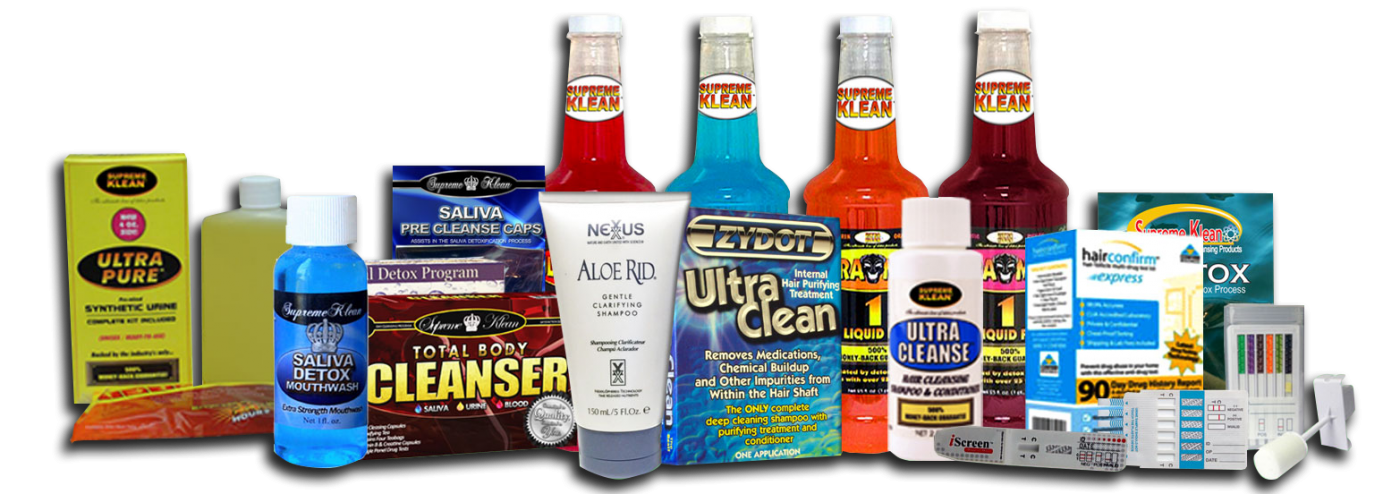
Although there are lots of products available, only our products and detox method will help any user overcome a drug test. With our drug detox products, you can pass hair drug test for weed and other drugs easily in a short amount of time.
One thing to realize is that beating a drug test does not need to cost you a fortune. With our detox at-home products, you now have more affordable and effective options to pass hair drug test for cocaine.
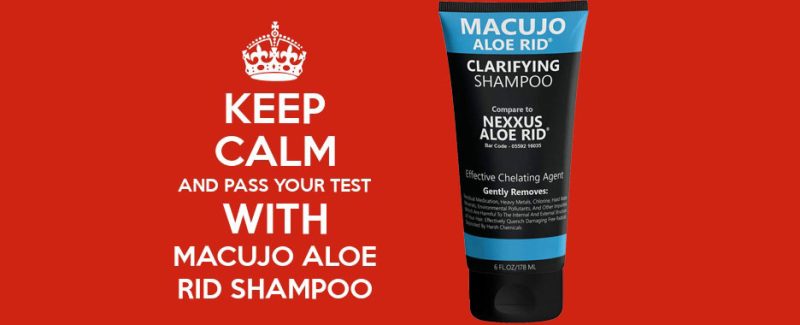
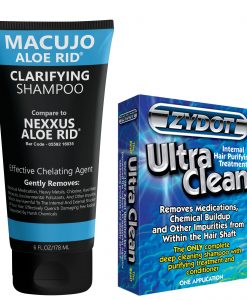
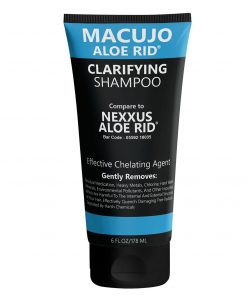
The Macujo Macujo aloe rid is made with even more of the same potent ingredients as the originalMacujo Aloe Rid and comes in a larger 6 ounce bottle. This means you can get up to 15 washes with just one bottle of the Macujo hair detox shampoo.
We give you more of what you need to pass hair drug test for low levels and high levels with this strong formula.
Our hair detox products have been tested and tried by the experts in the industry with two decades of experience to make sure that they actually work. In fact, the potent macujo Aloe Rid shampoo is your ticket to removing all drugs of any kind or amount from your hair.
This product uses natural ingredients that will help get your hair permanently clean from drugs while keeping it from getting too damaged. For any user, this is your guarantee to pass hair drug test shampoo detox product.
Each of these products will help you to pass hair drug test mikes Macujo method, giving you everything you need to get rid of drugs from your hair for good.
For the most successful way to pass a drug test, you need to use the only method that is effective for everyone.
This method is Mike’s Macujo Method. Using this method makes it possible to pass hair drug test at home by using a series of steps that are proven to work.
Macujo Method words for you to pass hair drug test with dreadlocks as well as to help you pass hair drug test with long hair. This method works on any type and style of hair.
Mike’s Macujo method involves multiple steps that are clearly described for you in the instructions.
While some methods are only effective for light to moderate users, heavy users no longer need to be afraid to fail a hair follicle test because you can also easily pass hair drug test for high levels using mike’s macujo method.
You can also find instructional videos and reviews online to help you understand how to use the method. Our customer service is available to help you with any purchasing or instructional questions you may have.
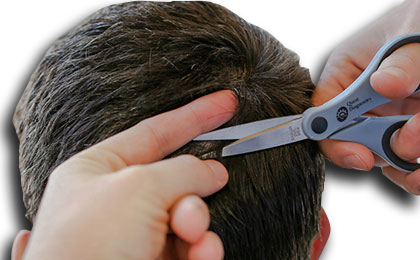
If you shave off all of your hair on your head, you may think this will get you out of having to take a hair drug test. However, hair from anywhere on the body can be tested.
Without hair on your head, samples anywhere from armpit hair to leg hair to your eyebrows can be taken.
You can shave off your body hair and use macujo method and products to make sure your head hair and scalp is toxin free so that you can pass. Do not risk failing your test because of body hair being tested!
Our products are the real deal because they are made for everyone to be successful. While other diy methods like bleaching your hair and naturally detoxing your system will only help remove some of the drug toxins from your hair, our products are guaranteed to help you pass.
There is a money-back guarantee because we are confident that they will work for you when you use them as directed.
You can easily use these products yourself at home because you will receive clear instructions on exactly how to use them.
This is the diy pass hair drug test equipment you need to make sure you beat your hair follicle drug test. Do not bother wasting your time with methods and products that are outdated or will not work for your situation.
Passing a drug test is way too important to spend your money and time on things that will not help you.
Drug metabolites will definitely be detected in a hair drug test if you do not properly get them out of your hair by using fake products. With our best shampoo to pass hair drug test and the macujo method,
the research and testing has been done for you to help you be successful. Make sure you follow all of the instructions given because this way, you will not have to guess or wonder what to do to beat a drug test on hair.
Failing a drug test can affect your chances at getting a new job or negatively impact you in your current employment. Legally, failing hair tests can also be a bad situation for you, so why put yourself at risk by being caught off guard?
You need to always be ready to face a drug test even if you are just an occasional user. Depending on the time from when you used to the time of your drug test, occasional use may still be detected. Using our products will help you make sure you always have access to what you need to pass the tests.
By keeping yourself prepared for hair follicle tests, you can be confident that regardless of your drug use, you can get your hair completely clean from drugs.